-
The Pigeons of Manhattan (New York, NY)

May 2022


In May 2022, I initiated a project that would take place over the course of a month.
My objective was to photograph New York City pigeons in front of some of the most iconic landmarks in Manhattan, all on film cameras.
Introducing: The Pigeons of Manhattan.

Central Park 
Central Park 
Chinatown 
Washington Square Arch 
Times Square 
Chrysler Building 
Statue of Liberty & Staten Island Ferry 
Flatiron Building 
Madison Square Park 
Grand Central Station 
Grand Central Station 
Grand Central Station 
Grand Central Station 
Rockefeller Center
(The pigeon on Prometheus’s right hand is barely visible, but I liked this photo too much to exclude.)
Empire State Building Not technically Manhattan, but iconic nonetheless…

Manhattan Bridge 
Want the latest? Subscribe for email notifications!
-
Shorebirds at Breezy Point Beach (New York, NY)
May 24, 2022
Breezy Point Beach has all the components for a perfect day of day birdwatching: sunshine, lots of birds, and an acai bowl store nearby.
A train ride to Rockaway Beach in Queens brought me to the vicinity, where I then commuted to the edge of the peninsula half by bus, half by foot. I found two very focused American Oystercatchers foraging by the water when I made it to the sand. The pair was as photogenic as they come, so narrowing down the photos to three or four from 200 was tough.
I can think of worse problems to have.

American Oystercatcher (Haematopus palliatus) 
American Oystercatcher (Haematopus palliatus) 
American Oystercatcher (Haematopus palliatus) 
American Oystercatcher (Haematopus palliatus) In general, Black Oystercatchers are in the western US and American Oystercatchers are in the eastern US. Hybrids also occur though, with folks using the Jehl Scale to characterize them. I’m always impressed with how complicated identifying hybrids can get and the attention to detail the discussions require.
In the elegant words of blogger Seagull Steve, “On much of the continent, ID of oystercatchers is a carefree and stressless task. You either have Black or American, or none at all. Simple. Enter Southern California, which has moderate numbers of Black Oystercatchers, and occasionally American Oystercatchers, which allegedly occur so often that they aren’t even a review species anymore. The two species hybridize frequently, primarily in Baja California, but those birds regularly move north into California…giving us Black, American and hybrid oystercatchers to find.” Yikes!

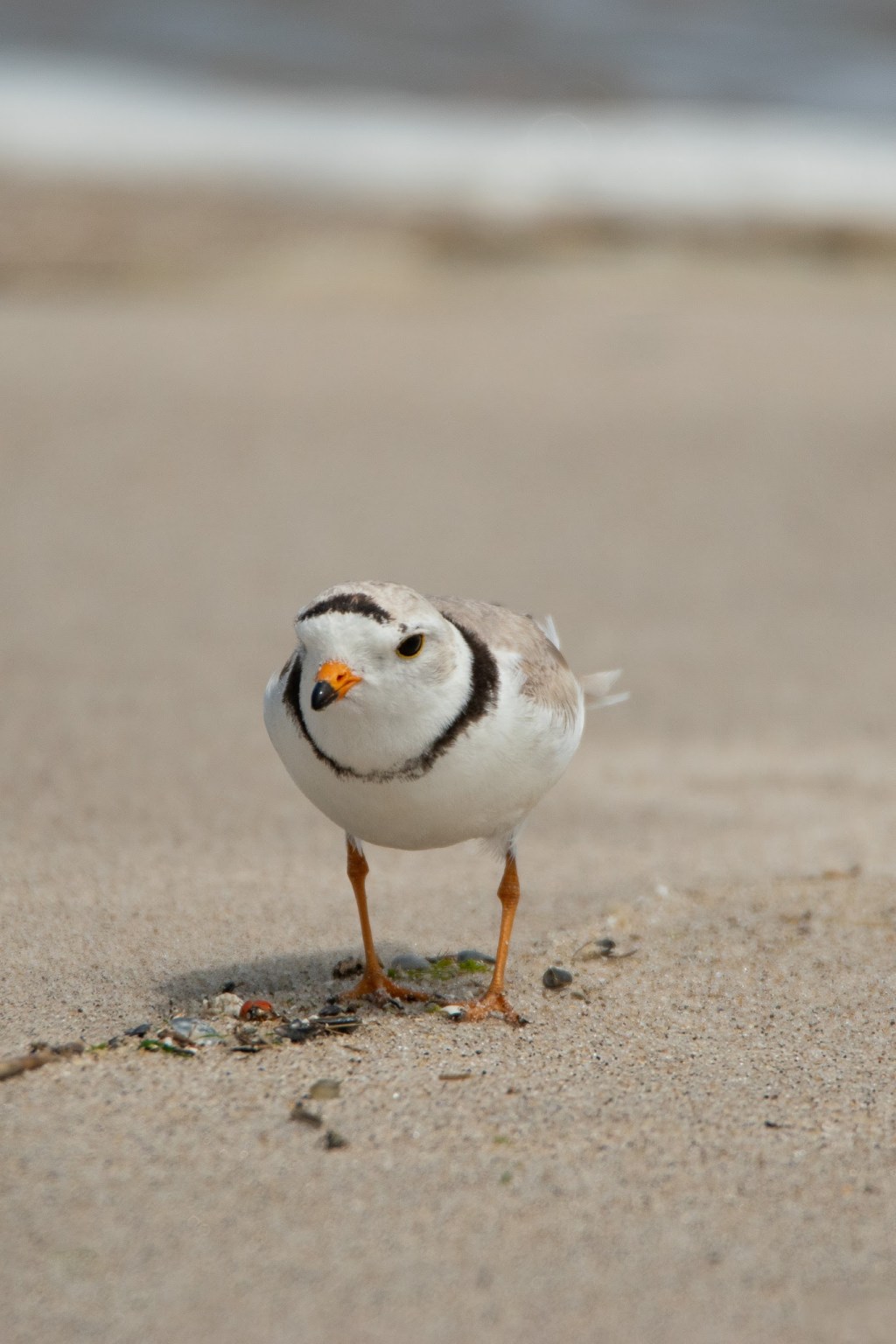
Piping Plover (Charadrius melodus) A team of biologists and volunteers with the NYC Plover Project were working further down the beach. They’d been observing Piping Plovers from afar all season, waiting for each clutch size to reach three eggs so that they could install exclosements to detract predators. The exclosements looked like huge metal igloos that were designed to keep predators away from the nest, while still allowing the plovers to enter and exit as they please. To this group making impactful strides in shorebird conservation, thank you.
I sat on a jetty while the plover team did their thing. Hand to God, the bird of the hour came darting right toward me and came within a meter from where I was sitting. The ladybug near his foot in the photograph above really puts his small stature into perspective.

Sanderling (Calidris alba) 
Sanderling (Calidris alba) To my fellow birders— do you ever hope to find a bird, see a bird that looks similar to the bird you wanted to find, then talk yourself into thinking that was “the bird” when deep down you know it probably wasn’t?
I saw reports for Purple Sandpipers at Breezy Point Beach and was kind of, sort of hoping I would stumble across one. I ran into a flock of Sanderlings with the richest coloration I’d ever seen and convinced myself they were Purple Sandpipers, only to learn they were Sanderlings in breeding plumage. They may not have been Purple Sandpipers, but they sure were beautiful.
Want the latest? Subscribe for email notifications!
-
Songbirds at Jamaica Bay Wildlife Refuge 🎶 (New York, NY)
May 21, 2022
I was tempted to dedicate this post solely to warbler photos but couldn’t bring myself to exclude the male Rose-breasted Grosbeak. Warblers plus a grosbeak it is!

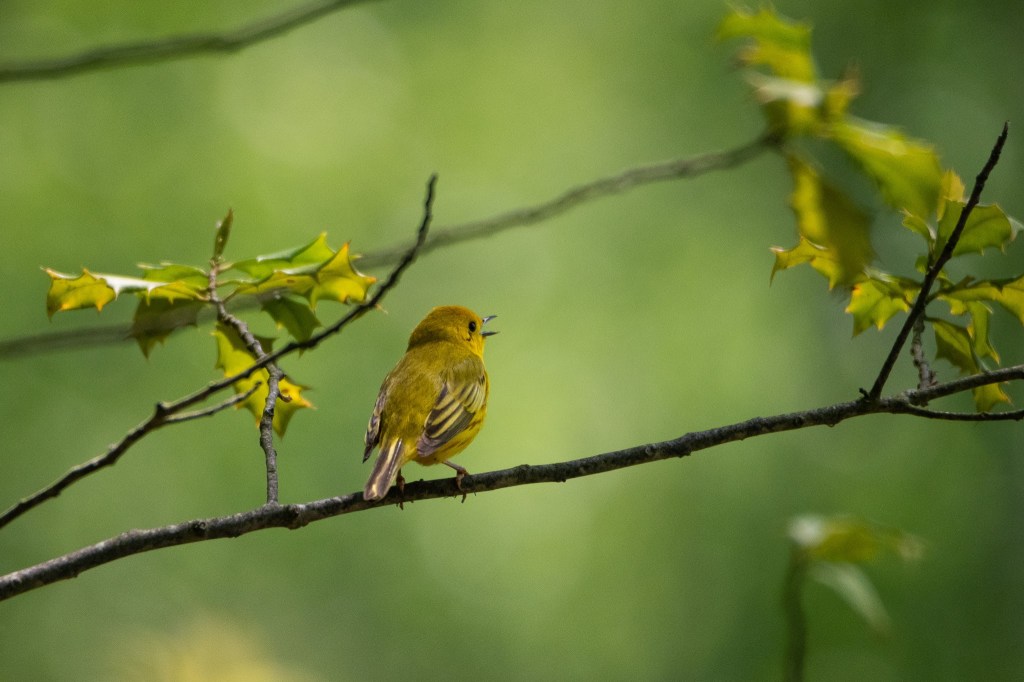
Yellow Warbler (Setophaga petechia) Songbirds of all shapes, sizes, and colors lit up the trees at Jamaica Bay Wildlife Refuge. There were exceptional numbers of warblers: Blackburnian Warblers, Yellow Warblers, Blackpoll Warblers, Canada Warblers, Magnolia Warblers, Black-throated Green Warblers, Bay-breasted Warblers, and American Redstarts to name a few. It was a spring migration dream.
I had the most luck with passerines in the groves at South Garden. This area is surrounded by lush trees and produces lots of shade, insects, and more importantly, birds.

Rose-breasted Grosbeak (Pheucticus ludovicianus), Male 
Blackburnian Warbler (Setophaga fusca), Male The first time I ventured down into the South Garden grove, I met a lady standing with binoculars aimed high up in a tree. She pointed me to a Blackburnian Warbler, which would end up being one of many that day. She smiled and said, “Worth the trip, huh?”
Several more birders stopped through soon after to enjoy the action. We were a bunch of “birders in a warbler candy store,” if you will.

Blackpoll Warbler (Setophaga striata) 
Bay-breasted Warbler (Setophaga castanea), Male 
Magnolia Warbler (Setophaga magnolia), Male 
Yellow Warbler (Setophaga petechia) At one point, I sat on the ground along a cool, shady trail to rest. Within a couple of minutes a Yellow Warbler landed on a close-by branch, posing in a dank mud patch. I hadn’t left yet, but couldn’t wait to come back.
Want the latest? Subscribe for email notifications!
-
Birdin’ in Brooklyn: A Day at Prospect Park (New York, NY)
May 14, 2022
A sincere “thank you” to the Brooklyn Bird Club for welcoming me with open arms. Your company made my day.

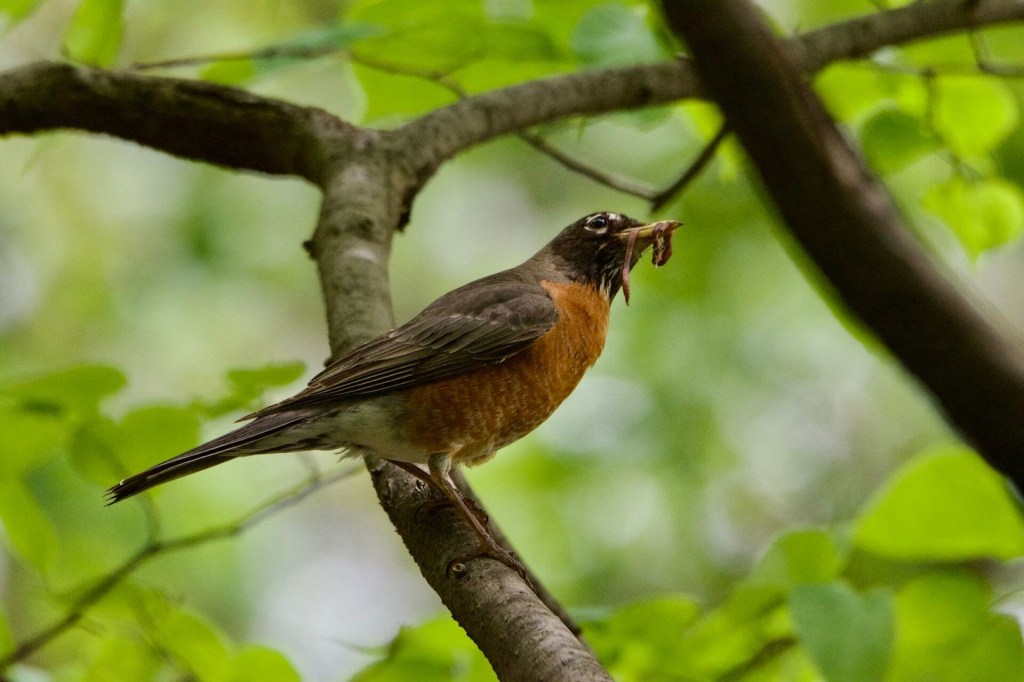
American Robin (Turdus migratorius) 
American Robin (Turdus migratorius) 
Gray Catbird (Dumetella carolinensis) It was a lively spring morning in Brooklyn. Gray Catbirds sang their boisterous songs while American Robins bounced around in search of worms. They added a cheery sentiment to the park that you might not notice unless it was missing.
The last time I was at Prospect Park was in February. I crawled out of bed at 6 am and got dressed with one eye open in hopes of finding an American Woodcock reported days earlier. Upon exiting the subway station, frigid wind blew up both of my jacket sleeves. I quickly realized I wasn’t dressed for the weather with my denim jacket and bare hands. It was going to be a long day.
Long story short, I walked a single lap around the park and left. My hands felt like they were buried in snow every time I pulled them out of my pockets to investigate a bird. I’m a little embarrassed I didn’t stick it out now that I’m writing this in a warm room, but I wasn’t feeling inspired and don’t like forcing these things. I thought to myself, “That’s ok, at least you have the lay of the land now.” I knew I’d go back at some point.
These photos are from my return visit in May when, of course, it was much warmer and birdsong buzzed from every direction. Lesson learned: don’t get dressed half asleep!

Mute Swans (Cygnus olor) As if the dozens of singing birds weren’t enough of a sign that it was spring, baby Mute Swans were another dead giveaway.

Warbling Vireo (Vireo gilvus) About an hour into wandering through Prospect Park, I encountered a group of fifteen or so people holding binoculars. They introduced themselves as members of the Brooklyn Bird Club and invited me along on their “Spring Birdathon” in celebration of World Migratory Bird Day. One lady said, “our bird count is at 55 and we’re not stoppin’ till we hit 100.” I smiled and thought, “these are my people.”
Within minutes of joining them, the group leader pointed out a singing Warbling Vireo photographed above.

Northern Waterthrush (Parkesia noveboracensis) Someone in the group called out, “Northern Waterthrush!” in a shaded, swampy area. We all rushed over. This was a new bird for me, so I stayed behind a few minutes to try for a decent shot. I like how his long legs are positioned in this one.

Black-crowned Night Heron (Nycticorax nycticorax) 
Black-crowned Night Heron (Nycticorax nycticorax) Meanwhile, a Black-crowned Night Heron’s red eyes, long plumes, strong beak, and thick bed of shiny feathers were on display as he preened by the lake’s edge.

Common Grackle (Quiscalus quiscula), Male If I didn’t know any better, I would think the iridescent hues on the Common Grackle above were artificial. I can assure you they’re not; it’s a Common Grackle au naturel! Looks like he caught some sort of centipede after all of his hard work rummaging through the leaves.
I had to leave for work and don’t know if Brooklyn Bird Club ever did hit 100 birds. Regardless, it was a memorable day birdwatching with a wonderful group of people.
Want the latest? Subscribe for email notifications!
-
Digiscoping at the Randall Davey Audubon Center (Santa Fe, NM)

May 4, 2022

“We’re meant to be finding galaxies, but the man won’t stop bird-watching.” I left my camera and binoculars at home in California during a recent trip to New Mexico. It seemed like a reasonable decision at the time; I was sick of lugging them around and didn’t think I’d have any time to birdwatch. Fast forward a few days, I was surprised with a Wednesday off of work. How many times would I have to learn this lesson? Always bring binoculars.
Sick to my stomach (dramatic, I know) and full of regret, I began racking my brain trying to figure out a way I could get my hands on binoculars. With no camera, binoculars, or even glasses, I was empty-handed as far as tools went. I considered camera rental options, but it was already Tuesday and mail-in services would take a few days. Plus, I was craving a casual day of local birding and renting a camera felt too complicated.
I wasn’t super eager to buy another pair of binoculars but was also desperate to appease this dilemma. Come to find out, Randall Davey Audubon Center lends binoculars to visitors for free! It’s just as much of a bird sanctuary as it is a birdwatcher’s paradise. Imagine: hummingbirds, towhees, grosbeaks, and thrashers all ten minutes from downtown Santa Fe. I enjoyed myself so much that I returned the very next day.

Evening Grosbeak (Hesperiphona vespertina), Male 
Evening Grosbeak (Hesperiphona vespertina), Left: Male, Right: Female 
Evening Grosbeak (Hesperiphona vespertina), Male 
Black-headed Grosbeak (Pheucticus melanocephalus), Male 
Green-tailed Towhee (Pupil chlorurus) 
Spotted Towhee (Pipilo maculatus) 
Curve-billed Thrasher (Toxostoma curvirostre) 
Pine Siskin (Spinus pinus) 
House Finch (Haemorhous mexicanus) (Left: Male, Right: Female) 
White-breasted Nuthatch (Sitta carolinensis) 
Broad-tailed Hummingbird (Selasphorus platycercus) 
Black-chinned Hummingbird (Archilochus alexandri) Want the latest? Subscribe for email notifications!
-
Chihuahuan Ravens at White Sands National Park (New Mexico)

April 10, 2022
The unearthly, snow-white sand dunes at White Sands National Park are as bizarre as they are beautiful. My arrival experience was lovely with crisp morning air and a purple sky.
I wasn’t expecting to see any birds on the sand, so I figured I’d bird the visitor center outside of the national park first. I got busy right away photographing House Finches singing from branches, cacti, metal signs, you name it. The males’ cherry red heads contrasted wonderfully with the desert landscape and I was content with those photos alone. A Curve-billed Thrasher dashing from bush to bush and a Great-horned Owl camouflaged in an agave plant were unexpected bonuses. My final species list at the visitor center had House Finches, Black-throated Sparrows, Barn Swallows, a Curve-billed Thrasher, and a Great-horned Owl. Satisfied and eager to see the dunes, I packed up my camera and headed toward the national park entrance. Time to hit the sand!


It took a bit of driving down the park’s two lane road before any white sand was visible. Eventually, even the road was covered in a thin layer of white. The park’s roads are easy to navigate and eventually lead to a scenic loop which I must have driven around a dozen times. I romped across the sand on foot in search of the tallest hill, only to spot one 100 yards away that looked even taller. Before I knew it, the car was nowhere in sight. Luckily my footprints were retained in the sand, so I was able to retrace my steps.
I hadn’t seen a single bird since leaving the visitor center. After all, there aren’t many options for them in terms of shelter or food on sand dunes. To my surprise, I spotted two ravens standing stoically in the white sand on my walk back to the car. The wind was blowing just enough to reveal a white patch on one of the raven’s throats.

Chihuahuan Raven (Corvus cryptoleucus) 
Chihuahuan Raven (Corvus cryptoleucus) I’m fascinated by Chihuahuan Ravens. Compared to the more widespread Common Raven, they’re compact in size and occur in deserts across Arizona, New Mexico, Colorado, Texas, and Mexico. What can I say? I’m a sucker for desert birds.
Want the latest? Subscribe for email notifications!
-
Birdwatching at Las Vegas National Wildlife Refuge ☀️ (New Mexico)
April 2, 2022
This post is dedicated to the wildlife in Las Vegas, New Mexico who is currently being affected by the Cooks Peak and Calf Canyon-Hermits Peak fires as of May 2022. These photos were taken two days before the Hermits fire started in April 2022.
There’s nothing quite like a day of birding by car. It’s amazing what a cup of coffee, full tank of gas, and pair of binoculars can do for the soul.


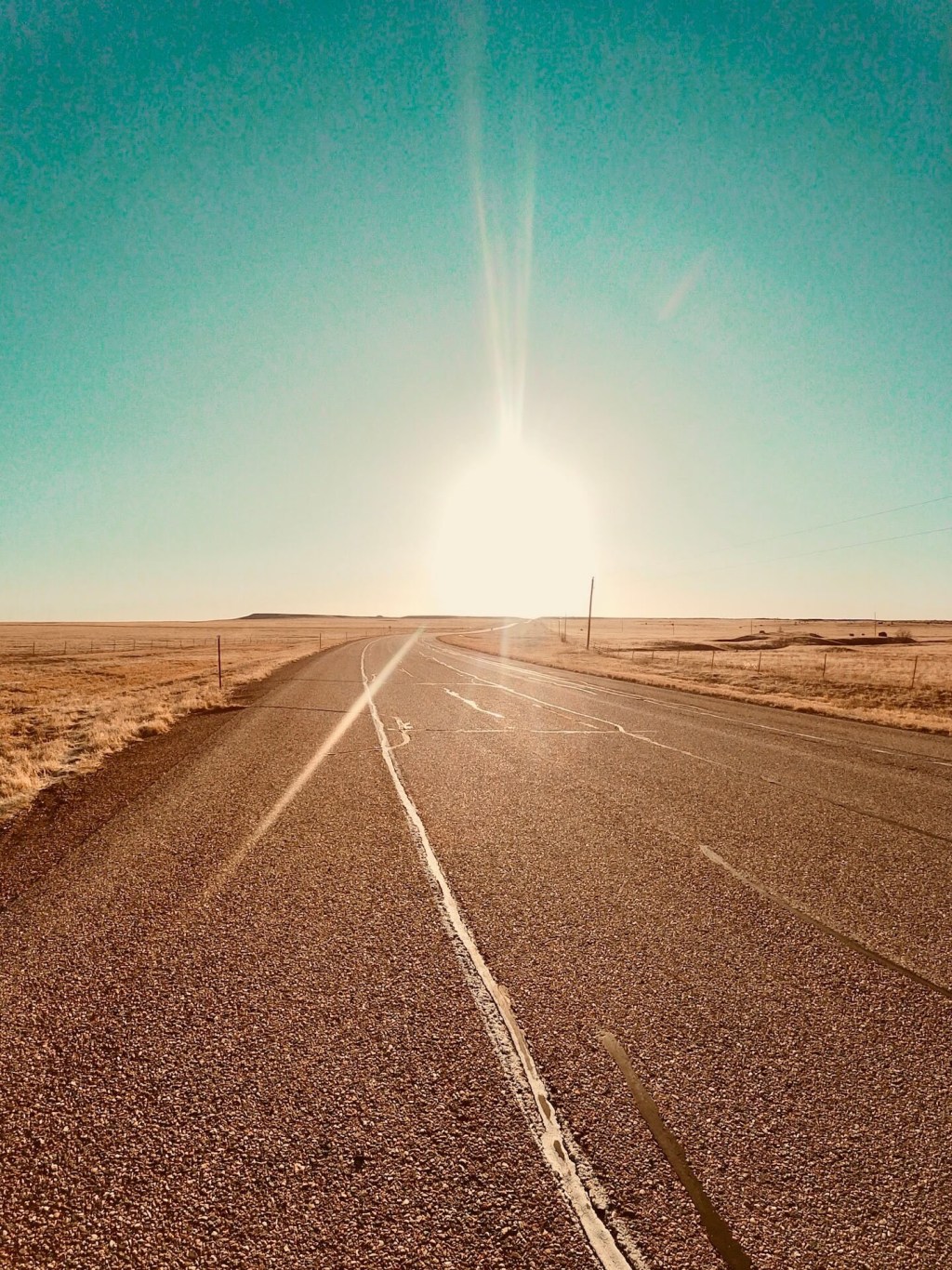
Las Vegas National Wildlife Refuge is right outside of Santa Fe in Las Vegas, New Mexico. It’s an auto tour that loops around 10 miles of protected wildlife land and houses a whole lotta’ birds. I was beyond excited about capturing every single one of these photos and am brought right back to the fresh air when I look at them.
By the way, the calves in the photo above are indeed galloping at full speed. It doesn’t get more hearthrobbingly cute than that.

Western Meadowlark (Sturnella neglecta) The Western Meadowlark above was belting out his song with so much passion, his tongue could hardly be contained. He wasn’t alone in singing for a potential mate, though…

Red-winged Blackbird (Agelaius phoeniceus), Male 
Mountain Bluebird (Sialia currucoides), Male 
Horned Lark (Eremophila alpestris), Male 
Say’s Phoebe (Sayornis saya) 
Scaled Quail (Callipepla squamata) For the record, I lost it when I saw this flock of Scaled Quails. There wasn’t a time I could have ever imagined myself coming so close to this species in such large numbers. I sat on top of my car for the better part of an hour watching a flock of 15 quail scurry through tall grass outside of the refuge, their bodies exposed only momentarily.
Want the latest? Subscribe for email notifications!
-
Birdin’ The River Trail (Platt Lane to Hornsby Bend) in Austin, TX

March 23, 2022
It was pitch black when I arrived at Platt Lane in the morning. I stood in front of a tractor and mumbled, “Up before the dawn,” to myself like I’d heard in so many country songs. The sun inched above the horizon until a glow enveloped the landscape and birdsong came to life.


River Trail A lush path called the River Trail develops at the very end of Platt Lane, gently guiding visitors into a songbird paradise. The trail spans about three miles and leads to Hornsby Bend, another rewarding birding spot. Dozens of Ruby-crowned Kinglets bounced around at the trail’s entrance, conducting their morning duties.

Ruby-crowned Kinglet (Regulus calendula), Male 
Ruby-crowned Kinglet (Regulus calendula), Male I watched the kinglets for a while, my eyes zigzagging from branch to branch. A male paused briefly to preen, exposing his ruby crown and orange feet. Thanks for the peek, kinglet! I also caught a glimpse of an angelic-looking White-eyed Vireo which happened to be a…

White-eyed Vireo (Vireo griseus) …lifer!

Northern Mockingbird (Mimus polyglottos) It wouldn’t be right for two reasons if I didn’t include a photo of a Northern Mockingbird. One, it’s the state bird of Texas, and two, they lit up the entire length of the River Trail with their melodic calls.

Northern Cardinal (Cardinalis cardinalis), Male 
Northern Cardinal (Cardinalis cardinalis), Female Northern Cardinals also had a strong presence on the trail. Both males and females were conspicuous with their red plumage and echoing chirps. I find it impossible to choose a favorite between the two sexes, the male with his blanket of red feathers and the female with her red highlights and white rump.
Now for a little sparrow talk…

Clay-colored Sparrow (Spizella pallida) 
Clay-colored Sparrow (Spizella pallida) I knew right away the Clay-colored Sparrow above was a new bird for my life list. Its distinct facial pattern, buffy breast, and gray nape are unlike any other sparrow I’ve seen.

Vesper Sparrow (Pooecetes gramineus) Meanwhile, this Vesper Sparrow looked like a little flower child surrounded by those pops of yellow.
Things started getting juicy right as I thought about leaving. Nothing like a bird-induced adrenaline rush when you’re running out of steam!

Purple Martin (Progne subis), Left: Female, Right: Male I cheated and drove to Hornsby Bend instead of taking River Trail all the way there. Depleted of energy, my attempt at birding Hornsby Bend was halfhearted. I got in my car with every intention of leaving but instead made one last stop at the Hornsby Bend Center for Environmental Research building. I saw someone birding the outskirts of the building months ago and had been intrigued ever since.
Right away, my eyes were drawn to dozens of Purple Martins splashing around in a puddle. Over the course of an hour, they made countless trips from “the puddle” to their nest gourds. A female sat nuzzled in a gourd with her head poking out as a male landed on their front stoop. I sat and watched in bliss.

Scissor-tailed Flycatcher (Tyrannus forficatus) I’ve wanted to see a Scissor-tailed Flycatcher for years but have never been at the right place at the right time. Like a tornado blowing through, a Scissor-tailed Flycatcher landed on a perch next to where I was sitting watching the Purple Martins. I’m pretty sure I didn’t breathe for a whole five minutes trying to keep the camera steady as I took photos. The flycatcher didn’t stay long, chasing after a butterfly in acrobatic flight.

Crested Caracara (Caracara plancus) Driving down the interstate on my way home, I saw a large bird in the same tree I’d seen a Crested Caracara earlier that day. I pulled over in a panic and pulled out my binoculars. A Crested Caracara was perched gloriously, this time in much closer proximity. Did I get honked at? Yes. Was it worth it? Yes. I didn’t leave with the sharpest photo, but being able to make out his red eye and bright, chunky beak was a win.
Afternote:

Nine-banded Armadillo (Dasypus novemcinctus) 
Nine-banded Armadillo (Dasypus novemcinctus) I had no idea armadillos roamed around Texas in abundance. I could hardly believe my eyes the first time I saw one waddling around. They’re cute as it is, but those floppy ears put them over the top.
Want the latest? Subscribe for email notifications!
-
Breeding Brown Pelicans in La Jolla (San Diego, CA)
February 9, 2022

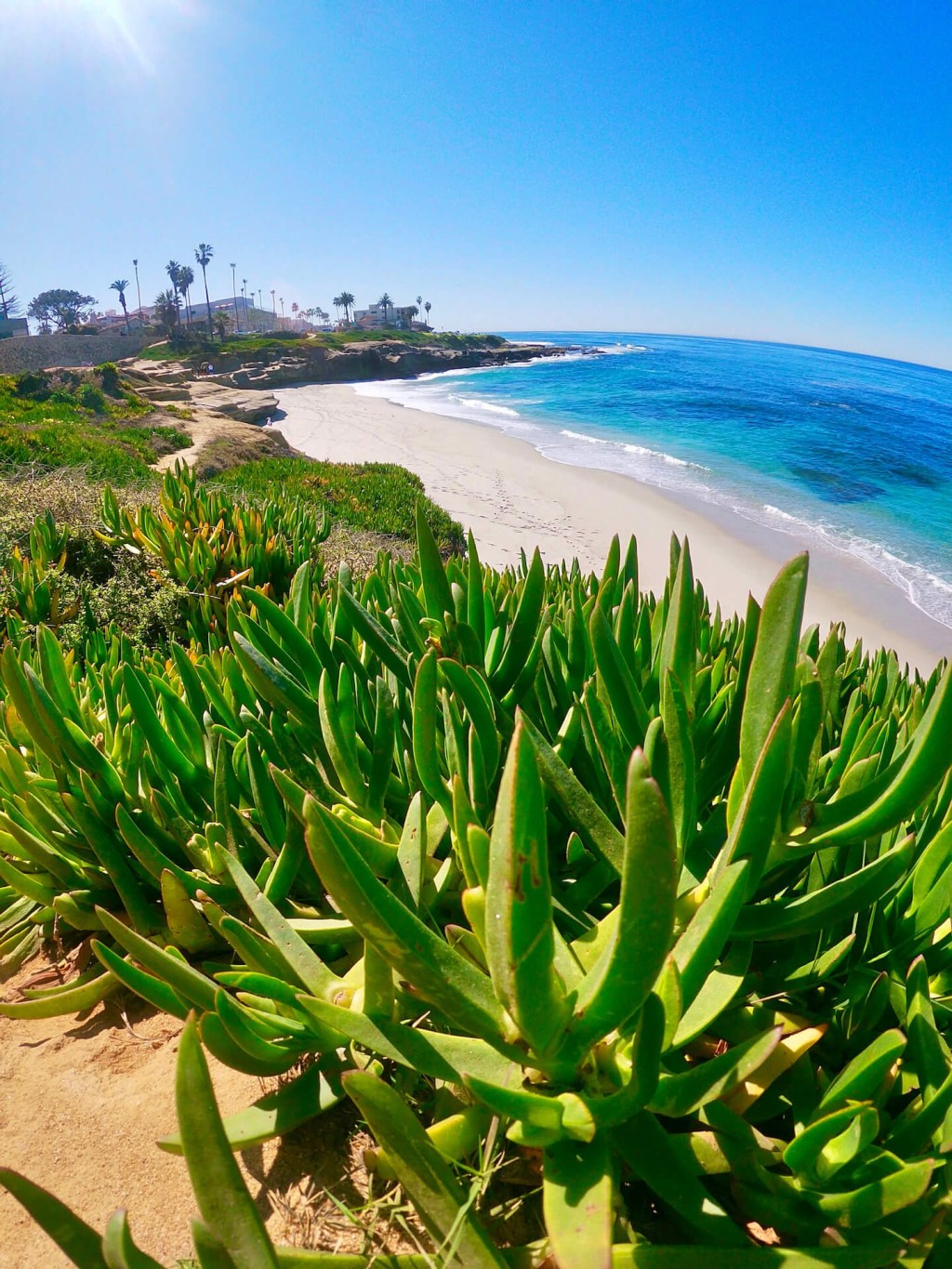
Spring is among us! Right around this time of year in La Jolla, pelicans and cormorants begin displaying vibrant shades of reds and blues on their throats in preparation for the breeding season. As if this wasn’t enough of a treat to witness, courtship displays, nest building, and egg incubation follow over the next few months. The opportunity to view this beautiful cycle of animal behavior is nothing short of a treasure.
Brown Pelicans are one of two pelican species in North America, the other being the American White Pelican. Brown Pelicans are found along coasts in the United States, Mexico, and northern South America, but typically only breed south of Southern California and Virginia into Central and South America. Pacific Coast birds develop red throat pouches, while those on the Atlantic Coast’s turn chocolate brown. All breeding adults, irrespective of coast, eventually develop brown napes and cherry-red bill highlights.

The Sibley Field Guide by David Allen Sibley 
Brown Pelican (Pelecanus occidentalis) 
Brown Pelican (Pelecanus occidentalis) 
Brown Pelican (Pelecanus occidentalis) 
Brown Pelican (Pelecanus occidentalis) preening These pelicans’ electric colors will fade when the breeding season concludes, making this time of year even more sacred.
A note on La Jolla Cove:
This location provides rocky coastal habitat that so many seabirds favor. There’s no wrong place to birdwatch here… simply set off on foot and head towards the water.
Want the latest? Subscribe for notifications!
-
American Robins at Liberty State Park 🗽 (New Jersey)

January 30, 2022


I boarded a train to Liberty State Park on a sunny Sunday morning in January. There’s a view of the Statue of Liberty from the park, so I figured it’d be a fun place to birdwatch. The train dropped me off at a designated Liberty State Park stop and before long, I was walking a charming path dusted with snow. A backside view of Lady Liberty was to my right, framed by a view of the city skyline and an impossibly blue sky.
Despite the perfect silence and serene surroundings, I was having an off day and couldn’t quiet my mind. At one point I romped through the snow to investigate a bird call, leaving my boots soaking wet. Now cranky with wet feet, I decided to surrender and stop trying to force something that wasn’t meant to be. After all, I’d been there for a few hours and still had a long trek back to The City.
On my commute to the train stop, I happened upon a tree full of American Robins and was instantly mesmerized. Any crankiness or lack of inspiration dissipated. The robins stood peacefully, their plump, rust-colored breasts accentuated by the blue sky. I took pictures for the next hour, suddenly oblivious to my cold feet.

American Robin (Turdus migratorius) 
American Robin (Turdus migratorius) I smile thinking about how American Robins turned my mood around. I like to think the bird gods were with me that day.
Want the latest? Subscribe for email notifications!

